
Your black jumper didn’t stand a chance. If your sofa, your bed and your clothes suddenly look like they’re growing their own fur this autumn, you’re not imagining it. Your cat is changing coats, and there’s a lot you can do to keep the fluff under control.
The good news is that your cat is probably fine. Cat shedding is how your cat replaces old fur, and it often gets heavier in autumn. You can’t switch it off, but you can control how much ends up on your sofa. These seven simple habits help. The first one is a good grooming routine, like the one in our guide to grooming a long-haired cat at home.
Quick answer: Cats shed to replace old or damaged fur, and most shed more in spring and autumn as daylight changes. You can’t stop cat shedding completely. However, regular brushing, the right brush for the coat, a complete diet, flea control and a calm home all cut down loose hair.
Why is cat shedding worse right now?
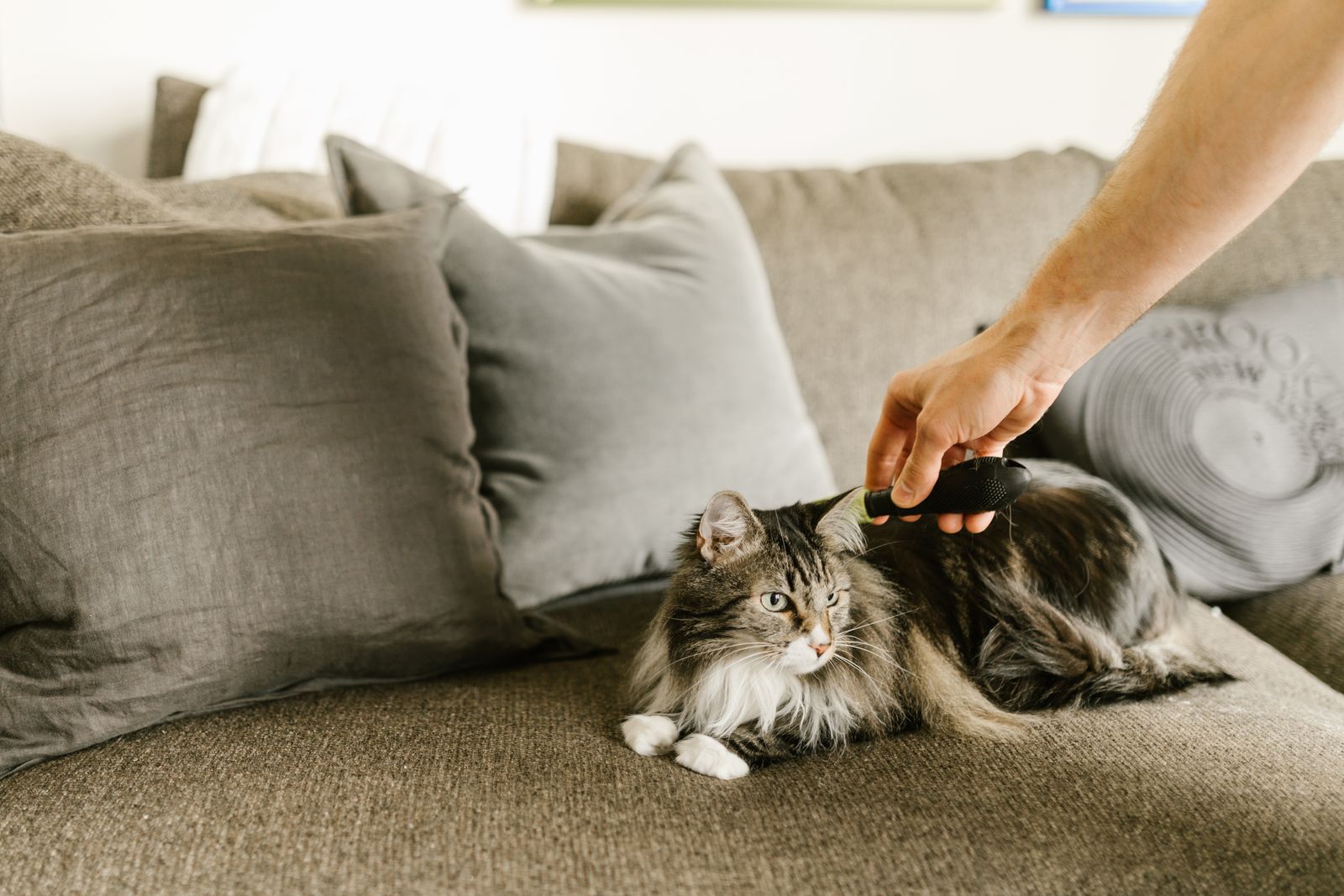
Many cats have a soft undercoat beneath longer guard hairs. According to Vets4Pets, the undercoat drops most in spring and autumn, because changing daylight triggers hormone signals in the hair follicles. Meanwhile, the topcoat sheds lightly all year round.
So if your home suddenly looks furrier in September or October, the season is the likely reason. Your cat is swapping a thin summer coat for a thicker winter one.
Breed, coat length, age, diet and stress also play a part. For example, Petplan notes that older cats often shed more, partly because they find it harder to groom themselves.
7 cat shedding solutions that actually work
1. Brush little and often
Brushing lifts loose fur out before it lands on your furniture. Vets4Pets calls regular grooming the most effective way to reduce shedding. It also lets you check for fleas, lumps or sore skin. We cover these checks in our 10 signs of a healthy cat.
Keep sessions short and stop before your cat gets fed up. The PDSA suggests picking a time when your cat feels relaxed and offering treats throughout, so brushing feels like a reward. A calm two minutes every day beats a long battle once a week.
2. Match the brush to the coat
Short coats do well with a rubber brush or a grooming glove. Long and double coats need a wide-toothed comb for tangles, plus a tool that reaches the undercoat.
A deshedding tool such as the FURminator Undercoat deShedding Tool pulls out loose undercoat without cutting the topcoat. Use it gently, keep it away from mats, and follow the maker’s guidance on how often to use it. Also, pick the version for your cat’s coat length, since short-hair and long-hair tools differ.
FURminator Undercoat deShedding Tool
Reaches the undercoat, where most autumn shedding happens. Choose the short-hair or long-hair version.
3. Feed a complete, balanced diet
A healthy coat starts on the inside. The PDSA points out that nutrition affects moulting, and it suggests reviewing your cat’s diet as their needs change with age. Choose a food labelled “complete” rather than “complementary”, and see our tips on how to choose the best cat food if you’re unsure. Also, ask your vet before you add any supplements.
4. Keep up with flea treatment
Fleas make skin itchy, and itchy cats scratch and overgroom. As a result, they pull out even more fur. Use a vet-recommended flea treatment made for cats, and stick to the schedule. Never use a dog flea product on a cat, because many contain permethrin. International Cat Care warns that permethrin is highly toxic to cats. Our guide on how to get rid of fleas on cats and in your home shows the full routine.
5. Cut down on stress, a hidden cause of cat shedding
Stressed cats drop more fur, and some groom so much that they create thin patches. Vets4Pets explains that a burst of shedding at the vet is normal, but long-term stress can affect the coat. So keep routines steady, give your cat hiding spots and high perches, and bring in changes slowly. Our guide to helping a rescue cat feel safe has more ideas for a calm home.
6. Protect their favourite spots
Your cat will keep napping in the same places, so work with that habit. Put a washable throw over their favourite chair or the end of the bed, and wash it every week. The throw catches most of the fur, and your sofa stays cleaner. For indoor cats, who spend all day on your furniture, this makes a big difference.
7. Make clean-up quick
A reusable pet hair roller like the ChomChom Roller lifts fur from sofas, beds and cushions without sticky sheets. For carpets and stairs, a vacuum with a pet or upholstery attachment does the rest. Little and often works here too, because fresh fur comes up far more easily than fur trodden into fabric.
ChomChom Roller Pet Hair Remover
Lifts cat hair from sofas, beds and cushions. Reusable, with no sticky sheets to buy.
When is cat shedding a sign of a problem?
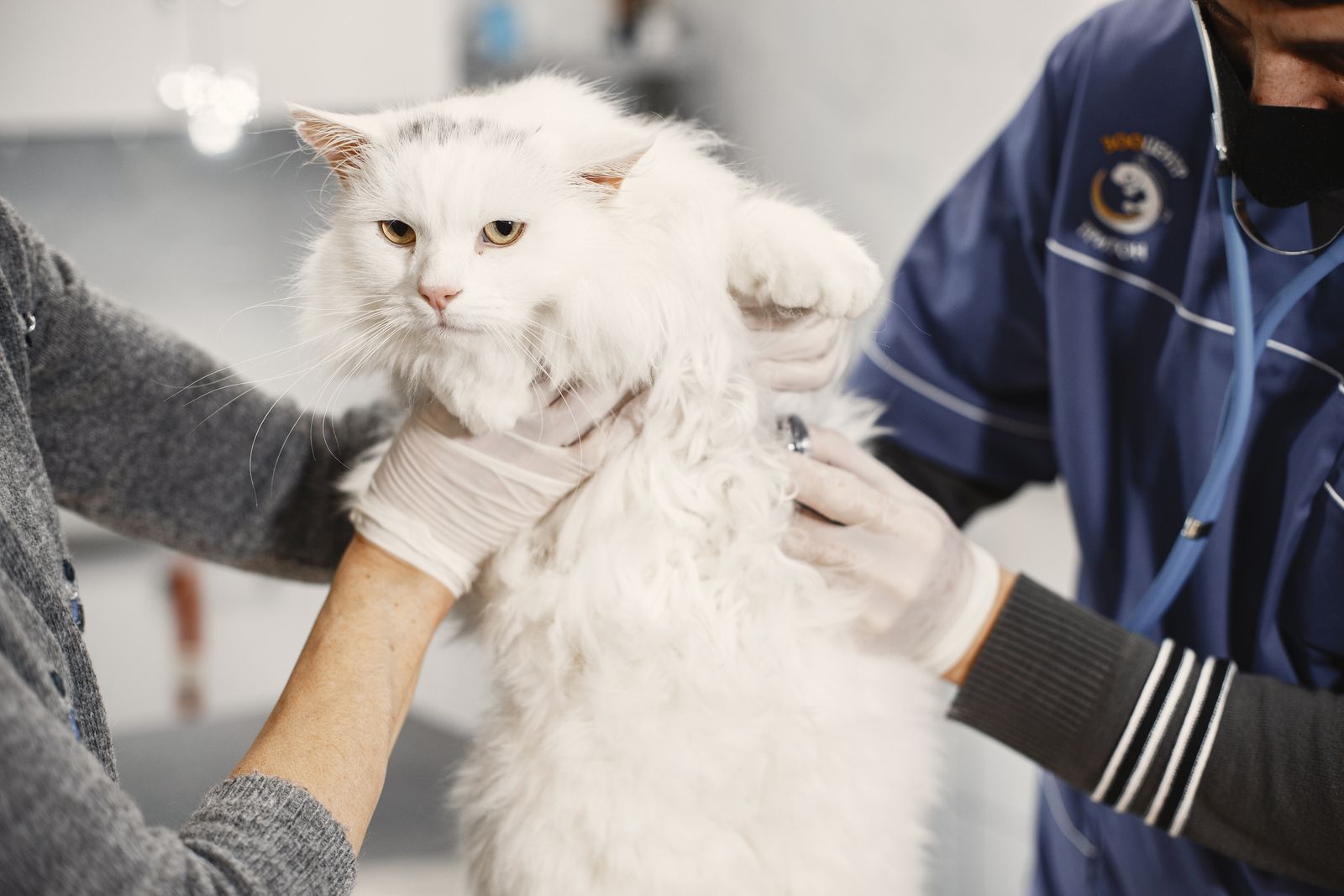
Heavy shedding in autumn is normal. However, book a vet visit if you notice any of these:
- Bald patches or thin, broken hair
- Red, scabby or flaky skin
- Constant licking or overgrooming, especially on the belly
- A dull, greasy or matted coat
- More hairballs than usual
- An older cat that has stopped grooming
Vets4Pets notes that hair loss on the tummy can link to bladder pain. It also warns that ringworm, a fungal infection that can spread to people, causes hair loss too.
This is general guidance and not a substitute for advice from your vet.
Cat shedding FAQs
Do short-haired cats need brushing?
Yes, especially during a heavy shed. Vets4Pets notes that even short-haired cats can develop mats when lots of loose hair gets trapped in the coat. A short weekly brush, plus extra sessions in spring and autumn, keeps loose fur moving.
Why is my older cat shedding more than before?
Age plays a part. Petplan notes that older cats often shed more, and stiff joints can make it harder for them to reach their back and sides. So your senior cat may need you to take over the grooming they used to manage alone. Use a soft brush, keep sessions short, and let them rest on a cushion while you work. If their coat also turns greasy or matted, mention it at their next vet check, because a messy coat can point to pain or illness.
The bottom line
Cat shedding never fully stops, but you can decide where the fur ends up. Brush little and often, pick a brush that suits the coat, and keep diet, fleas and stress in check. If you spot bald patches or sore skin, call your vet.
Want more simple cat care tips? Join the CatPurr newsletter or follow @catpurr.uk on Instagram.