
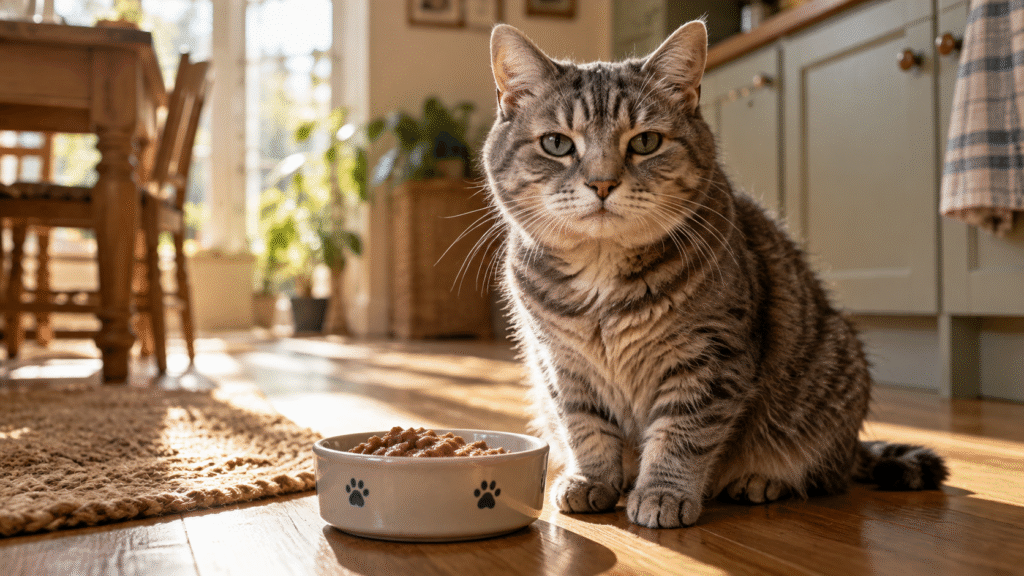
One morning you notice it. Your cat, the one who used to sprint to the kitchen at the first rattle of a food bag, strolls in a few minutes late, sniffs the bowl, and walks off. Or maybe it’s subtler: a slightly bonier back when you stroke her, or a nap that now lasts most of the afternoon.
Cats are masters at hiding the fact that they’re getting older. By the time we notice, their bodies have often been changing for a while. The good news is that food is one of the easiest and most powerful ways to help an ageing cat stay healthy, comfortable and interested in life. Whether you’re choosing your first bag of senior cat food or rethinking what your older cat already eats, these senior cat nutrition tips will help you make better choices.
When Is a Cat Considered “Senior”?
Most vets consider cats senior from around 11 years old, with the years between 7 and 10 often called “mature”. Cats aged 15 and over are classed as geriatric. That said, age is only a rough guide. An active, lean 12-year-old might need very different food from a 9-year-old who’s already slowing down. Your cat’s body condition, health and behaviour matter more than the number on the birthday card.
Why Does a Cat’s Diet Need to Change with Age?
As cats get older, a few things quietly shift. Their sense of smell and taste can fade, which makes food less appealing. Their digestion becomes less efficient, particularly at absorbing fat and protein. Teeth wear down or become painful. Kidneys, joints and the thyroid may start to struggle.
Put simply, the same bowl of food your cat thrived on at five years old might not be giving them what they need at thirteen.
8 Senior Cat Nutrition Tips
1. Don’t Cut Back on Protein
There’s an old myth that older cats need less protein. For most healthy seniors, the opposite is true. Because ageing cats digest protein less efficiently, they often need more high-quality protein to hold on to their muscle. Muscle loss in older cats is common and can happen slowly enough that owners miss it. Look for a senior cat food where a named meat, like chicken, turkey or fish, is the first ingredient.
The exception is cats diagnosed with kidney disease, who may need a carefully managed diet. That’s a conversation for your vet rather than a change to make on your own.
2. Keep an Eye on Weight (in Both Directions)
Middle-aged cats tend to put on weight as they become less active. Very old cats often go the other way and start losing it. Both are worth watching. Extra weight puts strain on stiff joints, while unexplained weight loss can be an early sign of problems like hyperthyroidism, diabetes or kidney disease.
Try weighing your cat once a month. A small kitchen scale works for smaller cats, or weigh yourself holding your cat and subtract your own weight. Keep a note on your phone so you can spot trends.
3. Make Hydration a Priority
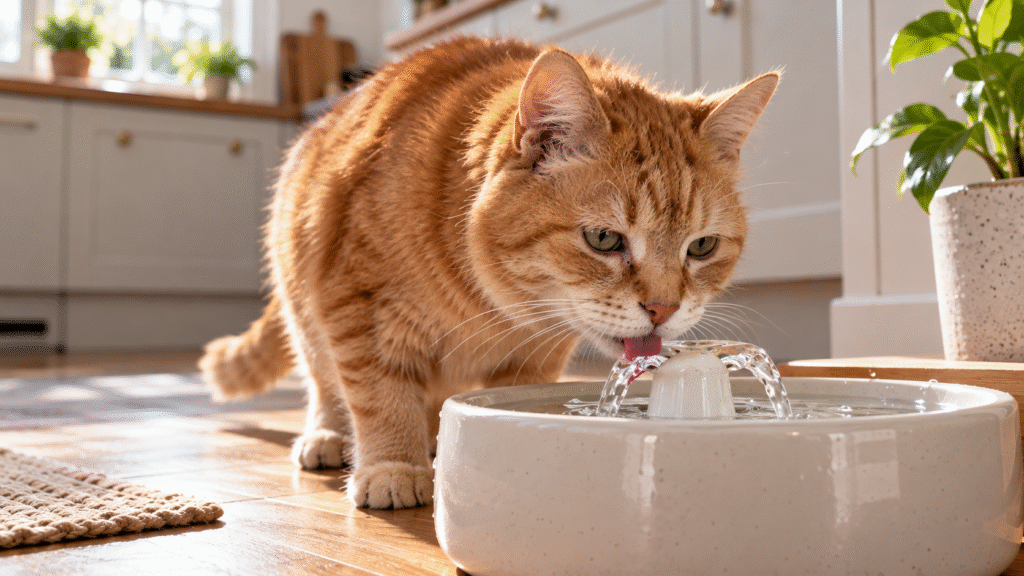
Cats are famously poor drinkers, and older cats are more prone to kidney and urinary problems. Wet food is one of the simplest ways to get more water into them. Even if your cat loves biscuits, adding a pouch or tin of wet food each day can make a real difference.
A water fountain, a few bowls placed around the house, or a splash of water added to meals can also help. Some cats prefer wide, shallow bowls so their whiskers don’t brush the sides.
4. Make Mealtimes More Tempting
If your cat’s appetite seems to be fading, their nose may be the problem. Gently warming wet food to around body temperature releases more aroma and can make a bowl far more appealing. Strong-smelling options, like fish-based recipes, sometimes win over fussy seniors too.
Keep bowls clean and put food somewhere calm, away from busy doorways or other pets who might crowd them out.
5. Choose Textures That Are Kind to Teeth
Dental disease is incredibly common in older cats, and a sore mouth can turn eating into a chore. Signs include dropping food, chewing on one side, drooling or pawing at the face. Softer foods like pâté or mousse can be much easier to manage than chunks or hard kibble.
If you notice any of these signs, book a dental check. Sorting out a painful tooth can bring back an appetite almost overnight.
6. Support Stiff Joints
Arthritis affects a large number of senior cats, but it often goes unnoticed because cats don’t limp the way dogs do. Instead, they stop jumping onto the sofa, hesitate at the stairs or miss the litter tray.
Omega-3 fatty acids, found in fish oil, may help support joint health, and many senior cat food ranges include them. Keeping your cat at a healthy weight also takes pressure off sore joints. Always check with your vet before adding supplements.
7. Offer Smaller, More Frequent Meals
Older cats often do better with little and often. Splitting the daily amount into three or four smaller meals is gentler on the digestive system and can suit a smaller appetite. An automatic feeder can help if you’re out at work during the day.
8. Switch Foods Slowly and Involve Your Vet
When it’s time to move to a senior diet, take it gradually. Mix a little of the new food into the old one and increase the amount over seven to ten days. Sudden changes can upset sensitive stomachs or put a fussy cat off eating altogether.
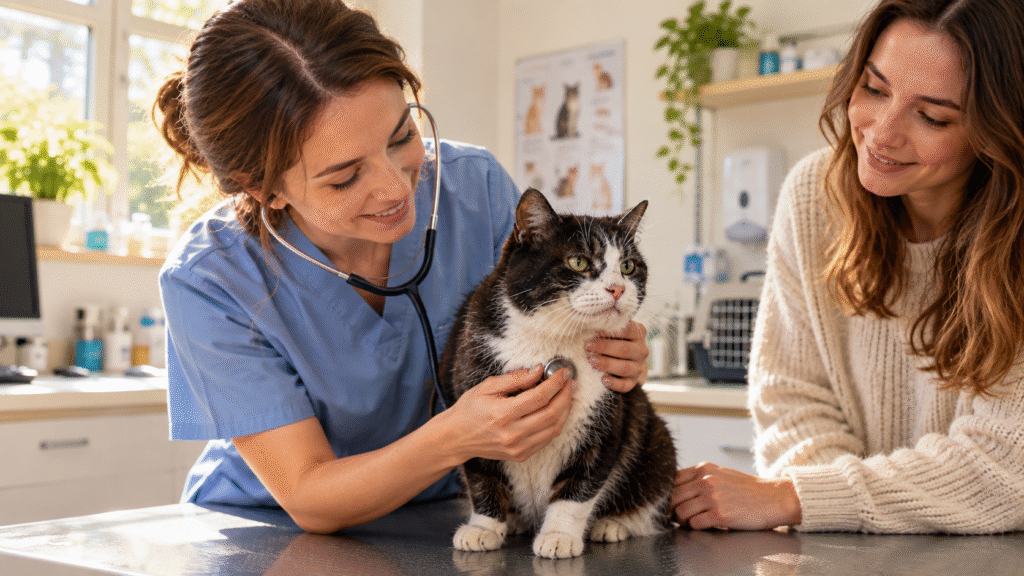
It’s also worth booking a senior health check before making big changes. Many vets recommend check-ups every six months for older cats, as blood tests can pick up issues like kidney disease long before symptoms appear. Your vet can then suggest whether a standard senior cat food is right or whether a prescription diet would suit your cat better.
What to Look for in Senior Cat Food
When comparing options, check the label for:
- A named meat source as the main ingredient
- A “complete” food label, meaning it meets all your cat’s nutritional needs on its own
- Added omega-3s for joint and skin support
- Moderate calories if your cat is prone to weight gain
- Soft or wet textures if your cat has dental issues
Remember that “senior” on the packet isn’t a regulated term, so the ingredients list matters far more than the marketing.
The Bottom Line
Ageing doesn’t have to mean slowing down to a crawl. With the right food, regular vet visits and a bit of extra attention, many cats stay bright, playful and affectionate well into their late teens. Start small: weigh your cat this week, try warming their dinner, or add an extra wet meal. Your older cat may not say thank you, but that happy slow blink across the room says plenty.