
If you’ve ever been happily petting your cat one moment and yelping the next, you’re not alone. Cat bites are one of the most common and most confusing behaviors cat parents deal with. Is your cat playing? Showing affection? Warning you? The truth is, it could be any of the three, and learning to tell them apart is the key to a happier relationship with your feline friend.
At CatPurr, we get asked this question constantly, so let’s break down exactly what’s going on in that fuzzy little head when the teeth come out.
1. Play Biting
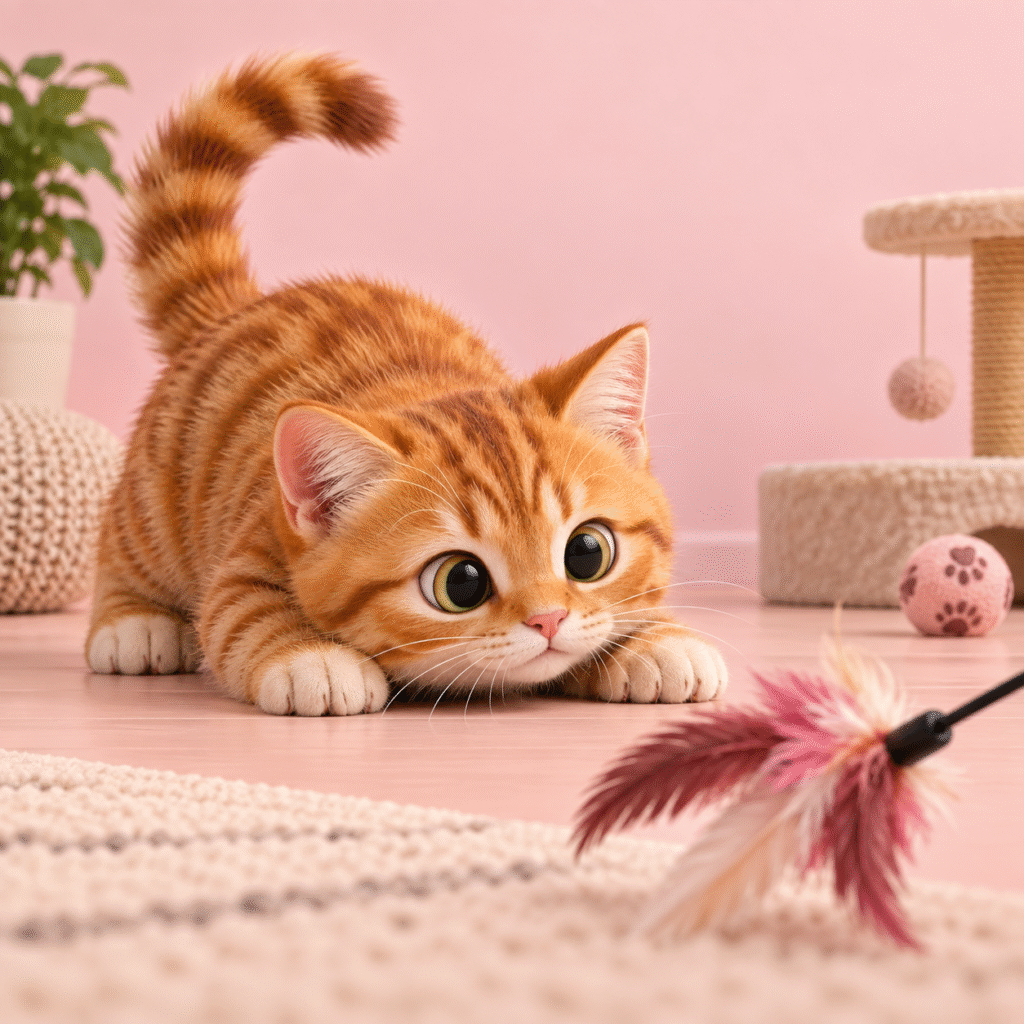
Play biting is by far the most common reason cats nip at hands, feet, and ankles especially in kittens and younger cats. In the wild, biting and pouncing are core hunting skills. Without prey to practice on, your hand or your sock covered toe wiggling under a blanket, becomes an irresistible stand in.
Signs it’s play biting:
- Dilated pupils and a “hunting crouch” before the bite
- Light pressure that rarely breaks skin
- Accompanied by pouncing, chasing, or a wiggling tail
- Often happens during or right after an energetic play session
2. Love Bites
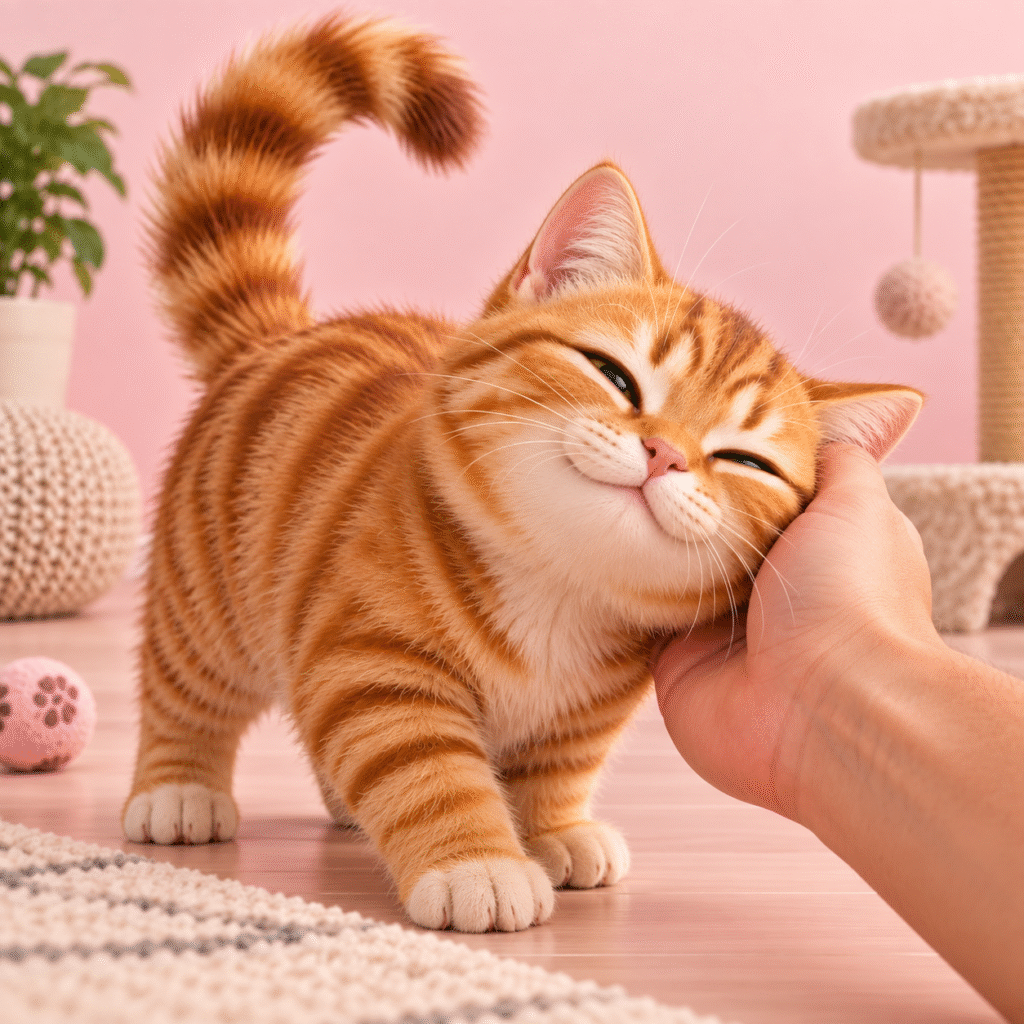
If your cat gives you a soft, quick nibble while you’re petting them especially around the chin, cheek, or while they’re curled up in your lap congratulations, that’s a love bite. Cats groom each other with gentle mouth contact as a sign of trust and bonding, and they sometimes extend that same behavior to their favorite humans.
Signs it’s a love bite:
- Happens during calm, affectionate moments like petting or cuddling
- Very gentle, sometimes just a light mouth pressure with no bite at all
- Often paired with purring, slow blinking, or headbutting
- Your cat doesn’t pull away afterward they usually stay close
3. Overstimulation Bites
This is the sneaky middle ground between love and aggression. Many cats enjoy petting for a while, but their nervous systems get overloaded faster than we expect. The bite that follows can feel sudden and even a little shocking, but it’s rarely personal.
Learning your own cat’s early warning signs is the single best way to avoid these bites. Most cats give you two or three seconds of body language cues before the nip it’s just a matter of watching for them.
Signs of overstimulation:
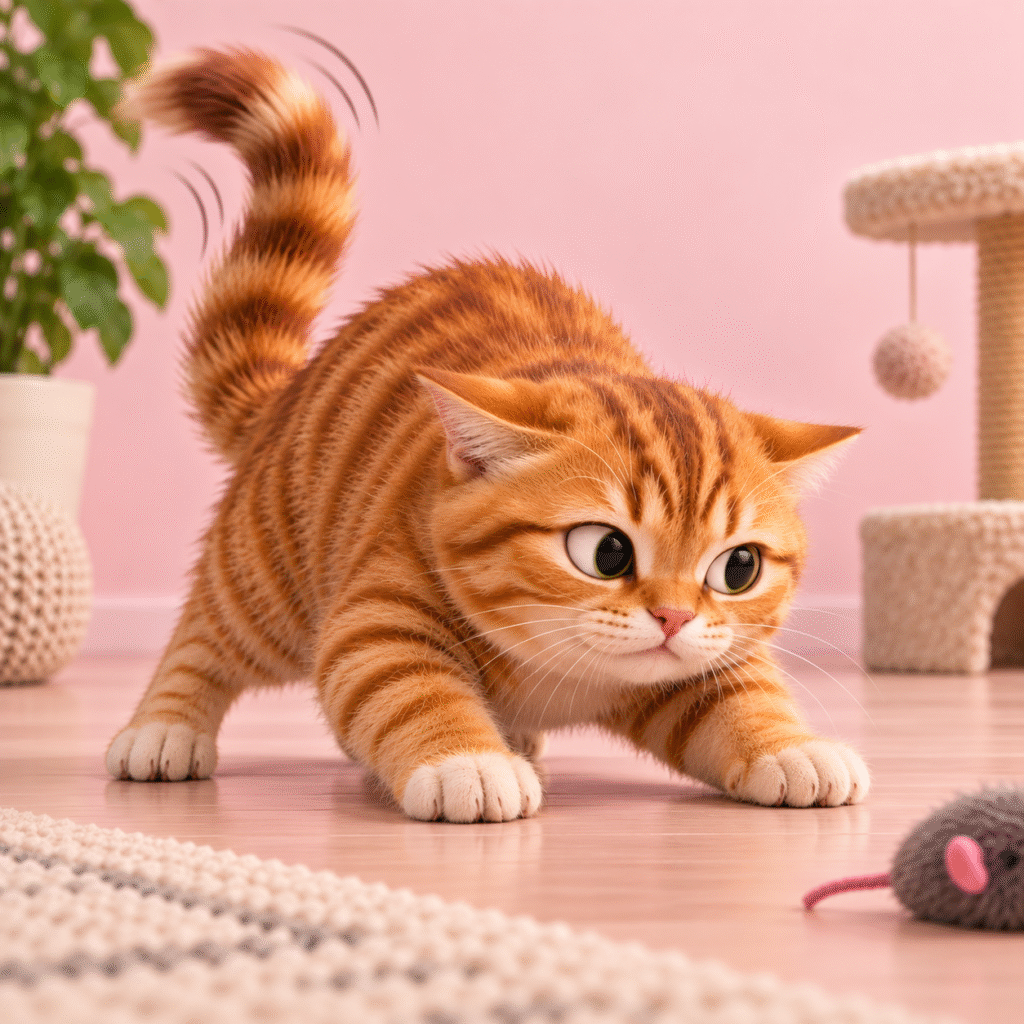
- Tail starts flicking or thumping
- Ears rotate back or flatten slightly
- Skin along the back may twitch or ripple
- Your cat was purring moments before, then suddenly stiffens
4. Fear or Pain Related Aggression
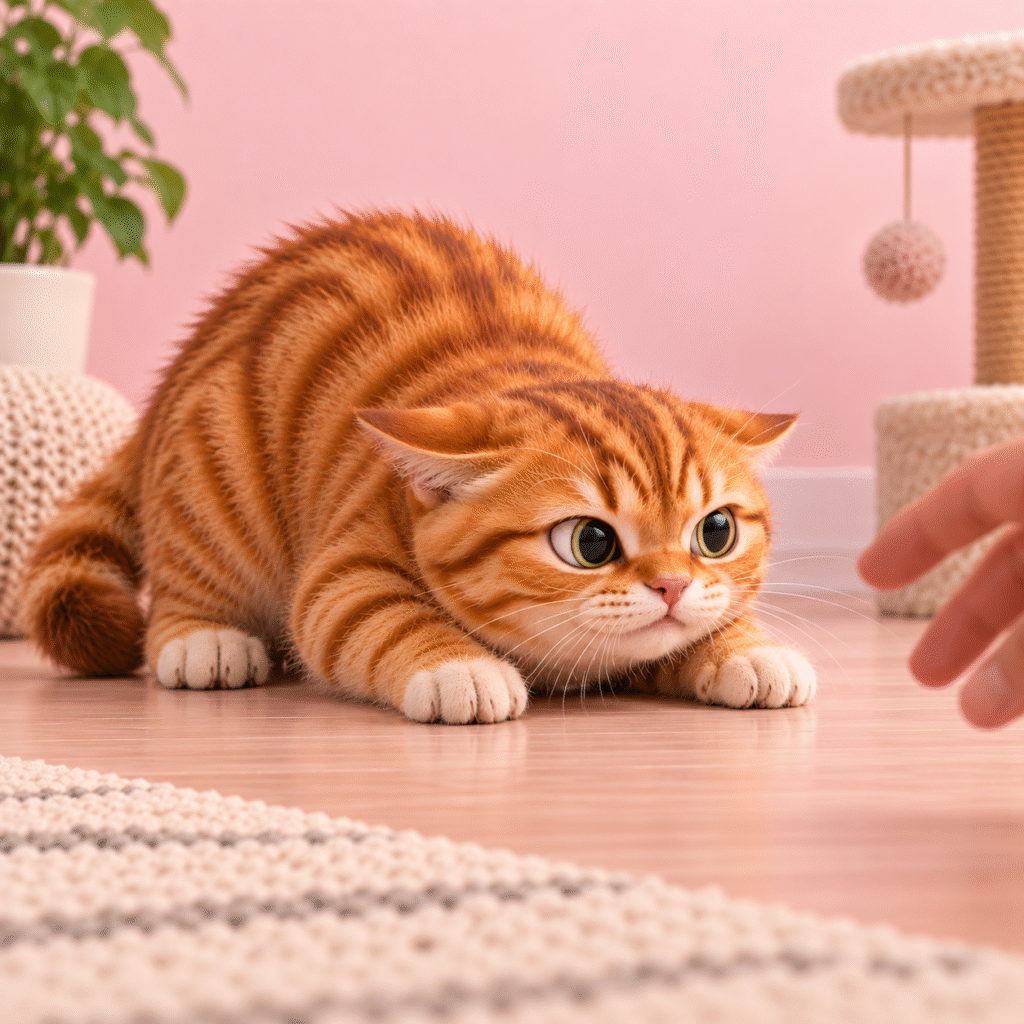
Less common but more serious, biting can also be a defensive response to fear or pain. A cat who feels cornered, is startled, or is dealing with an injury or illness may bite as a last resort when other warning signals hissing, growling, flattened ears have been ignored.
Signs it’s fear or pain-driven:
- Crouched, tense body posture
- Hissing, growling, or a puffed-up tail beforehand
- Bite is harder and often accompanied by scratching
- Sudden aggression with no clear trigger, especially in a normally gentle cat
Final Thoughts
Every cat communicates a little differently, so the best thing you can do is become a student of your cat’s specific signals. Once you crack that code, those confusing bites start making a lot more sense.
And remember, sometimes the best way to redirect those teeth is to give your cat something more appropriate to chase, pounce on, and play with. The right toys can help satisfy your cat’s natural hunting instincts while providing valuable physical and mental stimulation. For some inspiration, check out our guide to 10 Must-Have Cat Toys and Accessories Your Cat Will Love and discover plenty of ways to make playtime more rewarding.
Keep watching, keep learning, and let your cat’s body language guide you because understanding what they’re trying to tell you is one of the best ways to build a happier, stronger bond.