
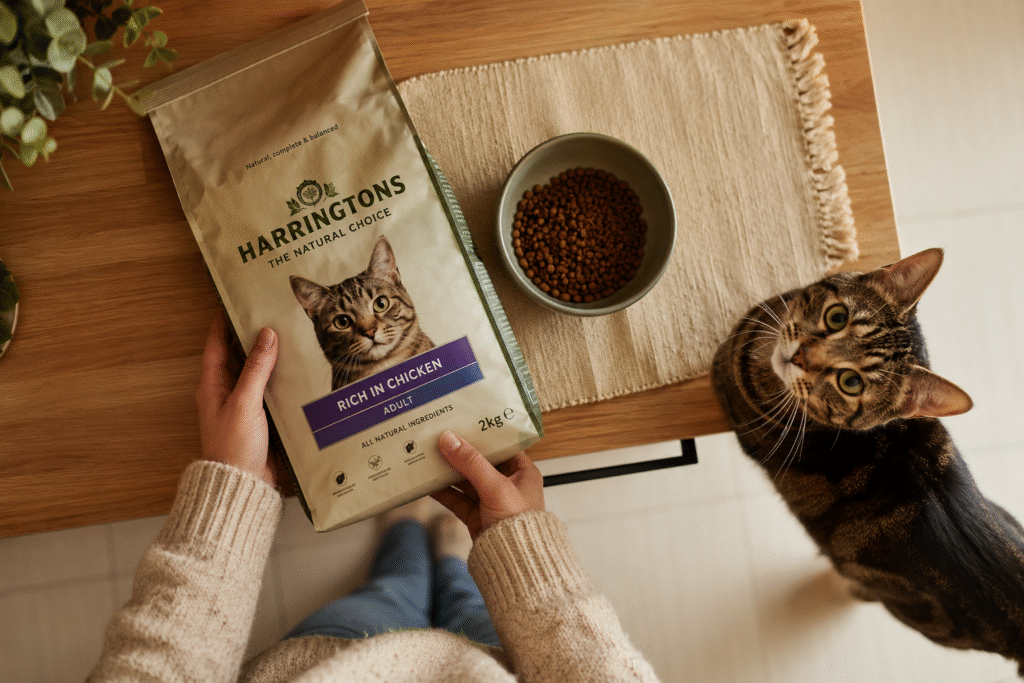
Walk down any pet food aisle and you’ll see it: shelf after shelf of bags and tins, all promising to be the best cat food for your furry friend. Salmon or chicken? Wet or dry? Grain-free or not? It’s enough to make any cat owner’s head spin.
Here’s the good news. Once you know what to look for, choosing the right food for your cat becomes much simpler. In this guide, we’ll walk you through exactly on How to Choose the Best Cat Food with 10 practical tips you can use right away. No jargon, no guesswork, just clear advice to help your cat thrive.
1. Start With Your Cat’s Life Stage
Kittens, adult cats, and senior cats all have different nutritional needs. A growing kitten needs more protein and calories to fuel its development, while an older cat may need fewer calories but more support for joints and kidneys. Always check the label for “kitten,” “adult,” or “senior” formulas, and pick the one that matches your cat’s age.
2. Look for Real Meat as the First Ingredient
Cats are obligate carnivores, which means meat isn’t just a preference, it’s a biological need. When you flip the bag over, the first ingredient listed should be a named animal protein, like chicken, turkey, or fish. Be wary of foods where the first ingredient is a vague “meat meal” or a filler like corn or wheat. These add bulk but little real nutrition.
3. Understand Wet vs Dry Food
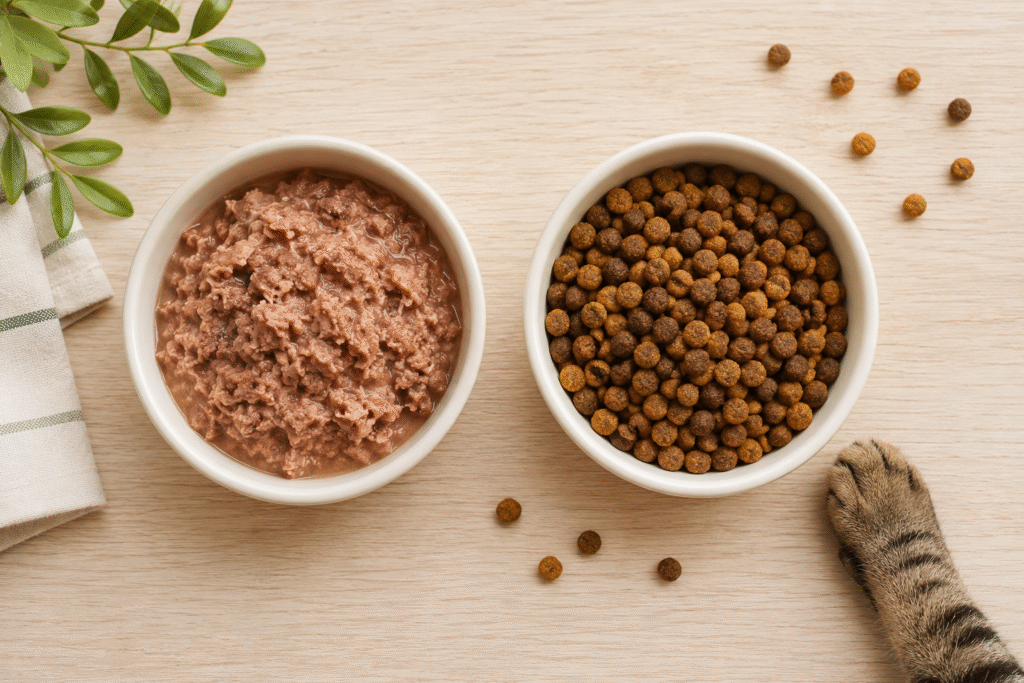
This is one of the biggest questions cat owners ask, and the honest answer is: both have their place. Wet food has higher moisture content, which helps keep your cat hydrated and supports urinary health. Dry food is convenient, often cheaper, and can help with dental health through chewing. Many owners find a mix of both works best, giving their cat variety while covering all the nutritional bases.
4. Check the Protein and Fat Content
A good quality cat food should have a decent percentage of protein (ideally above 30% on a dry matter basis) and moderate healthy fats. Fat isn’t the enemy here and it gives your cat energy and keeps their coat glossy. Just make sure the numbers match what’s appropriate for your cat’s activity level and weight.
5. Avoid Unnecessary Fillers and Additives
Some cat foods are padded out with fillers like corn syrup, artificial colours, and excessive grains. These don’t add nutritional value and can sometimes trigger sensitivities. If you’re comparing two similar products, the one with a shorter, cleaner ingredient list is usually the better choice.
6. Watch Out for Common Allergens
Just like people, cats can develop food sensitivities. Common culprits include beef, dairy, and certain grains. If your cat has itchy skin, digestive upset, or excessive grooming, it might be worth trying a limited-ingredient diet to rule out an allergy. Your vet can help you figure out exactly what’s causing the issue.
7. Consider Any Special Health Needs
Does your cat have a sensitive stomach, urinary issues, or a tendency to put on weight? There are specially formulated foods to help manage these conditions. For example, foods designed for cat urinary health often have controlled mineral levels, while weight management formulas are lower in calories but still filling. If your cat has an ongoing health issue, always check with your vet before switching foods.
8. Don’t Judge a Food Purely by Price
It’s tempting to grab the cheapest bag on the shelf, but low price often means lower quality ingredients. That said, expensive doesn’t automatically mean better either. The smartest approach is to compare ingredient quality and nutritional value across a few mid-range and premium options, rather than choosing based on price tag alone.
9. Introduce New Food Gradually
Once you’ve picked what seems like the best cat food for your pet, resist the urge to switch overnight. Cats have sensitive digestive systems, and sudden changes can lead to vomiting or diarrhoea. Instead, mix the new food in gradually over 7 to 10 days, slowly increasing the ratio until your cat is fully transitioned. This gentle approach helps avoid tummy troubles and gives your cat time to adjust.

10. Watch How Your Cat Responds
At the end of the day, the best cat food is the one that actually works for your cat. Pay attention to their coat, energy levels, litter box habits, and overall mood after switching foods. A shiny coat, steady energy, and normal digestion are all good signs. If something seems off after a few weeks, it might be time to reconsider your choice or chat with your vet.
Bringing It All Together
Choosing the right food for your cat doesn’t have to be complicated once you know what to look for. Focus on real meat, appropriate life-stage formulas, and ingredients that suit your cat’s individual needs. Pay attention to how your cat actually responds, and don’t be afraid to adjust as they grow older or their health needs change.
Remember, every cat is different. What works brilliantly for your neighbour’s cat might not be right for yours. The tips above give you a solid framework, but your cat’s own reactions and your vet’s advice should always guide the final decision.
Feeding your cat well is one of the simplest ways to show them love every single day. Take your time, read those labels, and trust that a little extra effort now means a happier, healthier cat for years to come.