Every cat owner wants their cat to be healthy and happy. But when it comes to cat nutrition, it’s easy to make small mistakes without even knowing it. These mistakes can build up over time and affect your cat’s weight, energy, and long-term health.
The good news? Once you know what to look out for, they’re simple to fix. Here are the most common cat nutrition mistakes to avoid, so your feline friend can live their happiest, healthiest life.
1. Feeding Too Many Treats
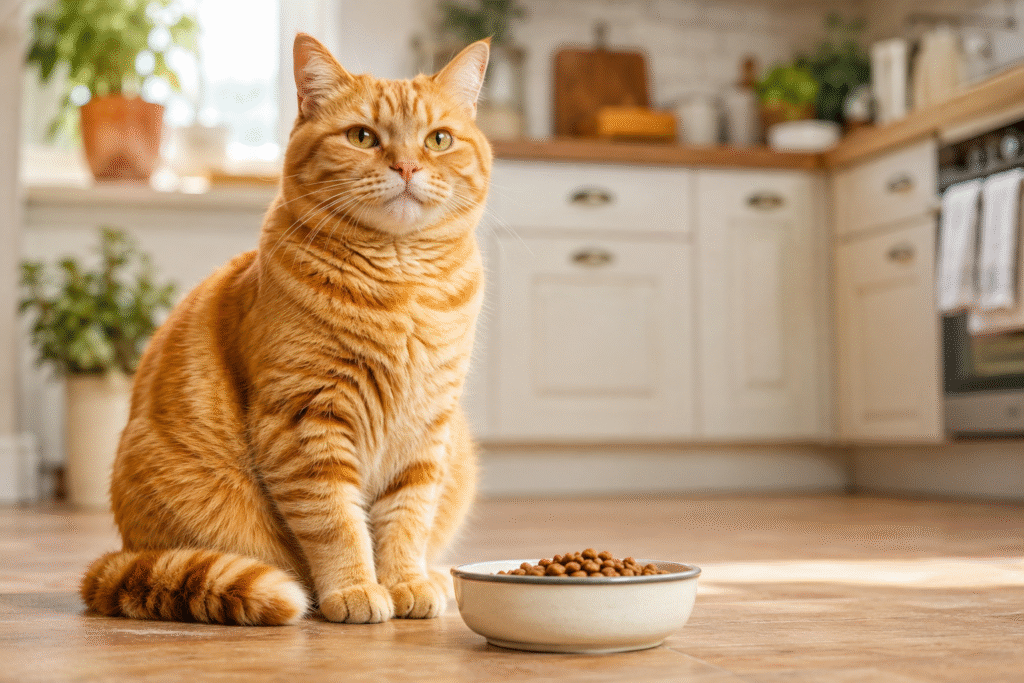
Treats are a great way to bond with your cat and reward good behaviour. But it’s easy to overdo it. Many treats are high in calories and low in the nutrients your cat actually needs.
A good rule of thumb is that treats should make up no more than 10% of your cat’s daily calories. If you’re not sure how many treats there are, check the packaging or ask your vet.
Tip: Use small pieces of healthy cat treats instead of whole ones, or try low calorie cat treats as a lighter reward option.
2. Giving Your Cat Cow’s Milk
It’s a classic image: a cat lapping up a bowl of milk. But most adult cats are actually lactose intolerant. Their bodies stop producing enough of the enzyme needed to break down lactose after kittenhood.
Feeding a kitten? Here’s what good kitten food needs to include for healthy growth.
Feeding your cat cow’s milk can lead to an upset stomach, diarrhoea, or vomiting. If you want to give your cat a milky treat, look for lactose-free cat milk made specifically for felines.
3. Not Feeding Enough Wet Food
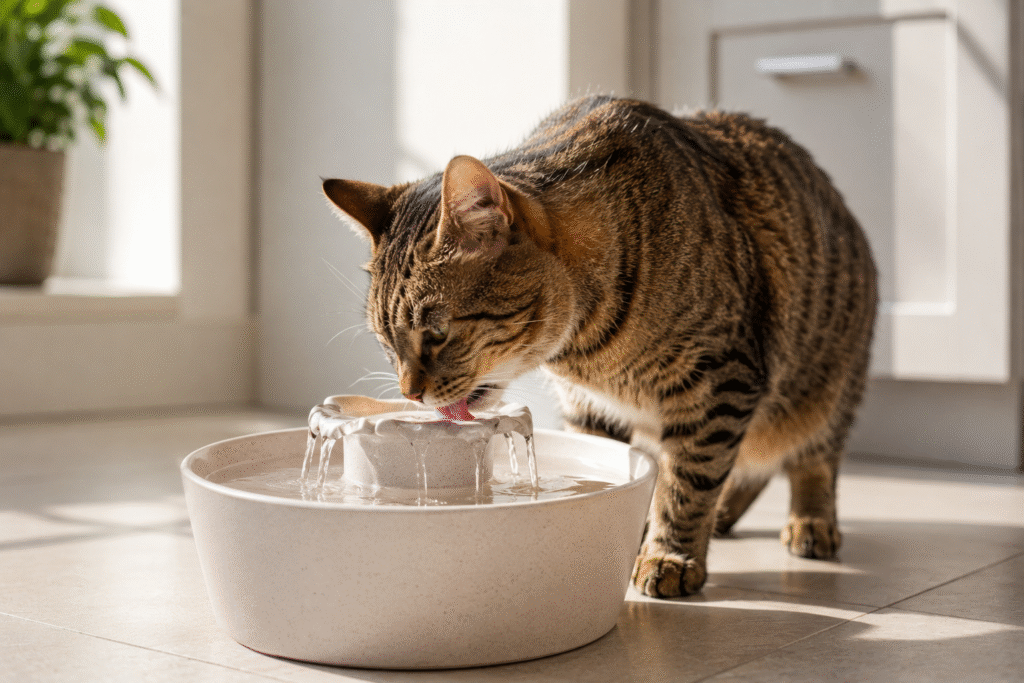
Cats are designed to get a lot of their water from food, not just their water bowl. In the wild, a cat’s diet is made up mostly of prey, which is around 70% water. Dry kibble, on the other hand, contains very little moisture.
Cats who eat only dry food may not drink enough extra water to make up the difference. Over time, this can contribute to urinary tract problems and kidney issues, which are common in cats.
Tip: Try to include best wet cat food in your cat’s diet, even if it’s just one meal a day. Pairing this with a cat water fountain can also encourage your cat to drink more and stay properly hydrated.
4. Free-Feeding Without Portion Control
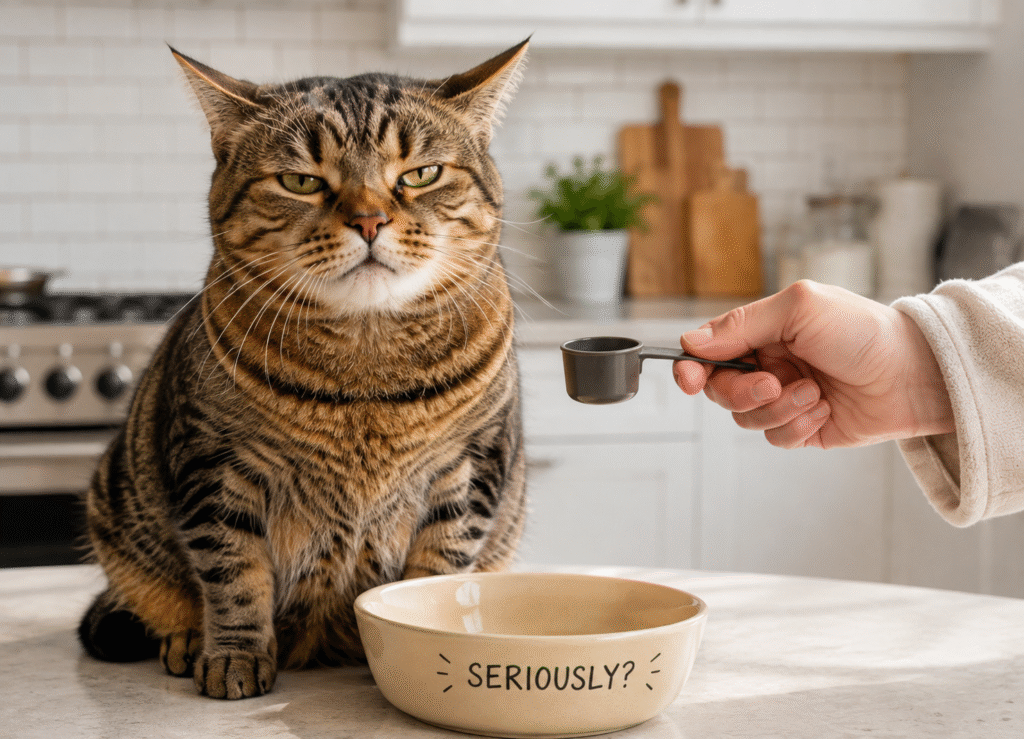
Leaving a bowl of dry food out all day so your cat can eat whenever they like seems convenient. But without portion control, it’s very easy for cats to overeat.
Obesity is one of the biggest health problems facing cats today. Overweight cats are at higher risk of diabetes, joint problems, and a shorter lifespan.
Instead of free-feeding, try measuring out your cat’s daily food using a cat food portion scale, or invest in an automatic cat feeder that dispenses set meals on a schedule. A slow feeder cat bowl can also help cats who tend to eat too fast. This makes it easier to notice if your cat’s appetite changes, which can be an early sign of illness.
5. Switching Foods Too Quickly
Cats can be fussy, and their digestive systems don’t always cope well with sudden changes. Switching from one food to another too quickly can cause vomiting, diarrhoea, or your cat simply refusing to eat.
Whenever you change your cat’s food, whether it’s a new brand or a new life-stage formula, do it gradually. Mix a small amount of the new food with the old food, slowly increasing the ratio over 7 to 10 days.
6. Feeding a Diet That’s Not Right for Their Life Stage
A kitten, an adult cat, and a senior cat all have very different nutritional needs. Kittens need more calories and protein to support growth. Senior cats often need fewer calories but more support for joints and digestion.
Feeding an all-purpose food isn’t always the best choice. Check that the food you’re buying is labelled for your cat’s specific life stage, choosing kitten food UK, adult cat food or senior cat food as they grow older.
7. Ignoring the Ingredient List
It’s tempting to just grab whatever cat food is on sale, but not all cat foods are created equal. Some are packed with fillers, artificial colours, and low-quality by-products rather than real, nutritious ingredients.
When choosing food, look for a named meat source (like chicken or salmon) as the first ingredient, rather than vague terms like “meat derivatives.” Options like grain-free cat food or natural cat food UK tend to avoid unnecessary fillers and artificial additives, which can make a real difference to your cat’s digestion, coat, and energy levels.
Good cat nutrition doesn’t have to be complicated. Most of these mistakes are easy to avoid once you know about them. Small changes, like adding more wet food, sticking to proper portions, and reading ingredient labels, can add up to a much healthier life for your cat.
Final Thoughts
If you’re ever unsure about what’s best for your cat’s diet, your vet is always the best person to ask, especially if your cat has specific health needs.
At CatPurr, we’re here to help you make the best choices for your feline friend. Explore our best cat food UK recommendations, or browse our full product recommendations for trusted, high-quality cat food and treats picked with your cat’s health in mind.